
Daily Steps
17 August 2023 Training

An often overlooked and under appreciated tool at our disposal when trying to feel fantastic, perform well and get in great shape is Non-Exercise Activity Thermogenesis, which is basically a posh way of saying all our other ‘daily activity’ outside of exercise.
Why Are Daily Steps So Important?
Despite how hard training can be sometimes, I really do think the gym is the easy bit. The hard bit is everything you do OUTSIDE of the gym, i.e. your nutrition and the amount of activity you do throughout your day.
An easy way to describe the importance of daily activity is to look at the hours in a week: a week contains 168 hours... so even if you were to train your arse off for an hour every single day, seven days per week, you would still have 161 hours remaining.
Let’s do the sums - we’ll minus 61 hours for sleep across the week (which would equate to more than 8 hours per day!), that leaves us with 100. Take away 50 hours for work and your commute... now we're left with 50. Let's half that, we'll use half for showering, hobbies, watching netflix, social media, etc. We would still have 25 hours left over!
I would argue that how we use that time left over is typically going to have a much bigger impact on your overall calorie burn throughout the day than the calories you burn via exercise during that 1 hour in the gym.
Who Should Be Focusing On Daily Steps?
Most people would benefit from increasing their daily activity but the people who should be prioritising this is people who are very sedentary throughout their day, e.g. people who have desk jobs, etc, or anyone who is already exercising a high amount and adding in more exercise would either be too much physically, or too much practically.
Focusing on NEAT is a really useful tool for anyone looking to lose body fat too, as non-exercise activity has the benefit of being at a much lower intensity than our training in the gym, therefore we can do it for much longer periods of time and/or at higher frequency - therefore we are able to create a massive calorie burn whilst not really placing too big of a strain on the body.

Of course many other people would benefit from adding extra steps/activity into their day - anybody who enjoys getting out in nature, anyone who wants to find a social form of exercise that can be done with family and friends, anyone who wants to kill two birds with one stone (i.e. walk the dog, listen to a podcast, make calls, run errands) and really anyone who is chasing optimal health.
What Do I Need To Do?
We can burn extra calories by you simply moving more, whether that's going out on a walk specifically to get your steps up or if it’s the accumulation of you parking the car a bit further away from the office, deciding to walk in to town as opposed to getting the bus, taking the stairs instead of the lift, playing football with the kids, taking the dog for an extra loop on their walks. It often comes from all the little 1% extras that you do throughout your day that add up massively over the weeks and months and can have a huge impact on how we look, feel and perform.
Where Should I Track My Daily Activity?
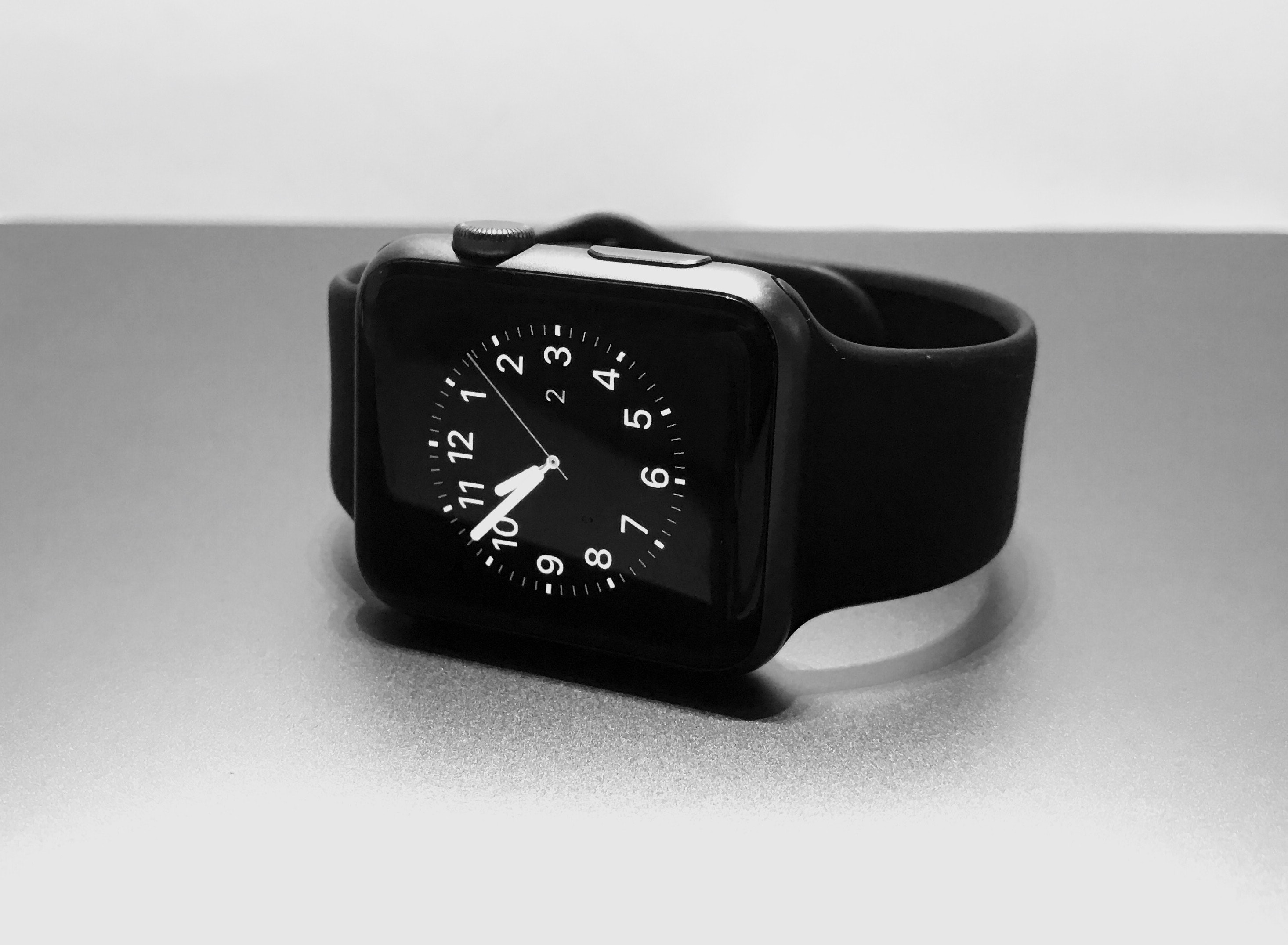
The easiest way to measure your Non-Exercise Activity is to track your steps using a smart watch or a pedometer. We advise not using your phone to track your steps, as this won't be anywhere near as accurate, as you don't have it on your all the time. However, this is of course better than nothing, just aim to have your phone on you most of the time if you want the measure to be somewhat accurate.
How Much Daily Activity Should I Be Doing?!
The simple answer is 8,000+ steps.
Not necessarily the commonly spouted 10,000 steps.
The average in the UK is closer to 3-4,000 per day, so 8,000 steps would be double the national average and this is the number that research shows is the threshold that delivers most of the health benefits; so this is a great number to aim for!
A more detailed answer however is “it depends”.
We need to consider your goals first and foremost and your current level of activity.
You will often hear the phrase ‘aim for 10,000 steps per day’ and to be honest that's a great number to aim for, as that is well above the average most people will get.. however this may be far too big of a jump for some people, whereas it may not be anywhere near high enough for some other people looking to create a larger stimulus.
If one’s goal was to lose some weight, the best method is to track your steps for 7 days, take an average daily step count, then look to add 2000-3000 steps to their daily average moving forwards. This small increase in the daily average will add up and have a huge impact on the amount of calories you burn each day and therefore the potential for you to create a calorie deficit, resulting in weight loss.

