
Training around pain?
29 December 2023 Training

Let's talk about pain…. This is quite a complicated subject but we are going to make it really simple.
Firstly, what is it?
Pain is defined as 'an unpleasant sensory and emotional experience that may or may not be associated with tissue damage'. It differs greatly from person to person due to a number of different factors; such as medical history, emotional state and past experiences with injuries.

Keeping it simple we typically have 2 types of pain: acute and chronic.
Acute pain normally only lasts for a shorter duration and it can typically be seen as your body's way of telling you that something isn't quite right.
Chronic pain, on the other hand, usually lasts longer and can often be intermittent or temporary. Interestingly, chronic pain is not always associated with specific injury or illness. Why this occurs is poorly understood but it has been suggested that a major factor may be psychological factors such as stress, anxiety and depression.
There are other types of pain including neuropathic (nerve) pain, nociceptive pain and radicular pain but these are really specific and we won’t go into details of this in this article.

How do we feel pain?
This happens when your body detects tissue damage and sends a message to the brain through a very clever pathway in your body called our nervous system. Once the brain has received and interpreted this message it creates what it perceives as an appropriate response.
For example it can signal the release of endorphins which can act as our bodies natural pain killer or it can release hormones which may stimulate the immune system to respond to injury or illness.
What affects how we feel pain?
We have probably all experienced that sometimes we feel pain to a much more intense level than other times, when the injury/accident may have been the same. This is largely to do with something called The Pain Gate Theory.
In basic terms, the nervous system has a series of gates through which the pain signals have to travel through before reaching the brain. In simple terms the more gates that are open, the more pain signals get sent to the brain and the higher the level of pain we feel. The amount of gates open depends on numerous factors:
- Emotional state - the more negative our emotional state, i.e. higher levels of anxiety, anger and depression commonly cause more pain gates to be open.
- Boredom/overthinking - the more we focus on the pain we are feeling the more the pain gates open, hence the more intense the pain.
- Inactivity - stiffness and a lack of activity can also cause more pain gates to open up.
What can you do?
Like I said at the start, pain is a very complex topic and it is not always as simple as engaging in activity or trying to think positively to help manage your pain.
If you have sustained an acute injury, generally speaking the pain you are experiencing is your body telling you something is not right and it is probably wise to see a therapist to get some specific advice regarding your specific injury.
However, if you are experiencing chronic or non-specific pain there are a few things you can do….
- Try and keep as active as possible, start with swapping your higher intensity workouts for low level activity like walking/swimming.
- Either scale back or substitute certain exercises that you know may aggravate your symptoms for a more rehab specific exercise.
- Seek advice from a professional with regard to treatment based sessions to go alongside the training you are already doing.
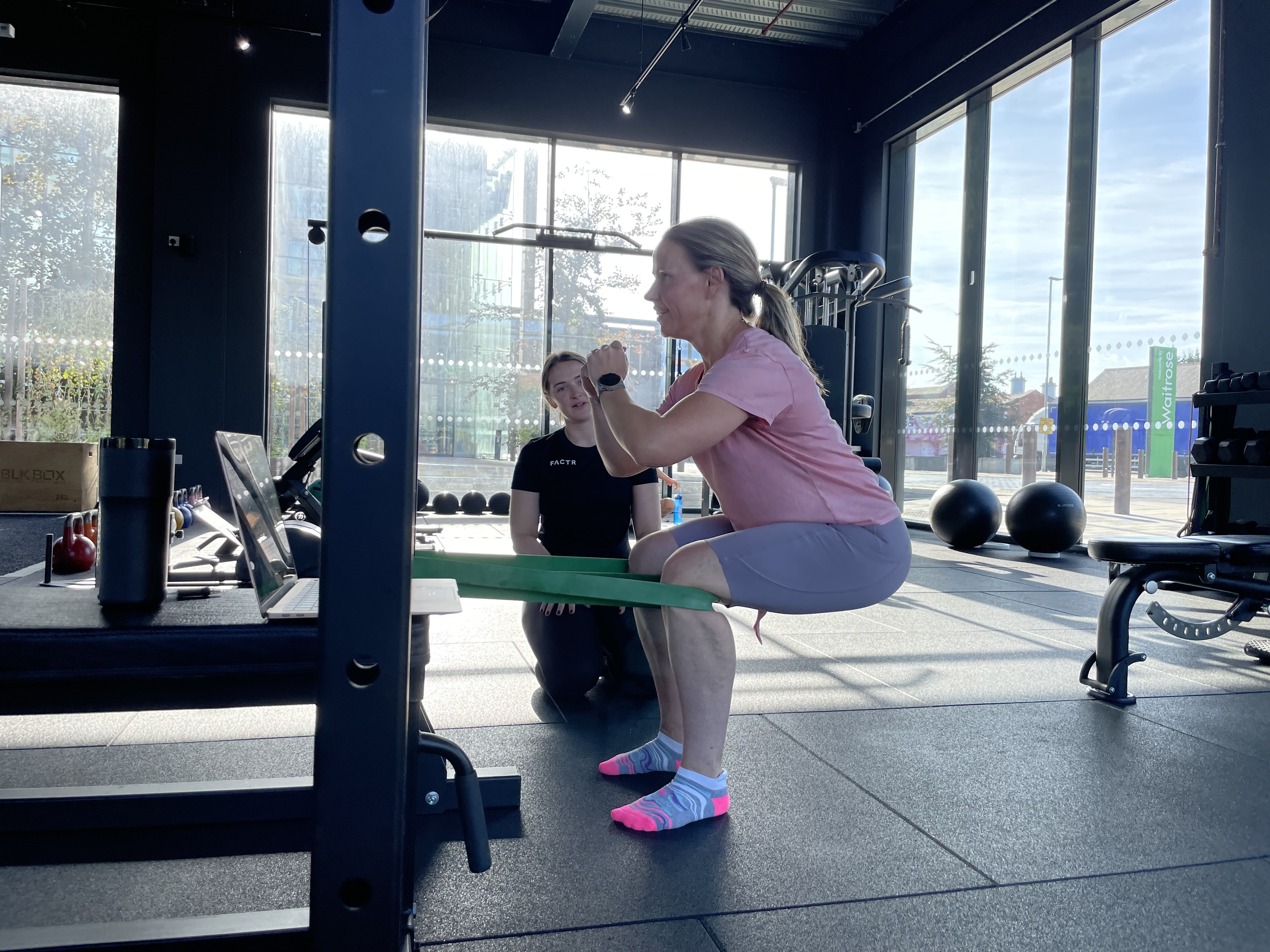
By keeping active you are maintaining your routine with exercise, keeping in contact with your goals and surrounding yourself with positive, like minded people. This will not only help to manage the intensity of pain you are feeling but will also release endorphins which have also been shown to aid pain management.
Try not to get too caught in the complexity surrounding pain and the science behind it.

You will see more benefit from doing this rather than just taking 2 weeks of rest.
If you find your pain is not improving or you are unsure on the best ways you can train around your injury, please fill out the form below and we will get in touch to book you in for a free injury consultation.

